
Orthography
Homer Essay for 2026-03-01. No. 15.

Orthography
There is a passage in Heraclitus which I am writing about for an article which has to do with the stress of Homer’s musicality, and the notion of the singer in society. In the most common position taken by editors, we read, from Proclus’ 5th c. A.D. Commentary on the First Alcibiades:
ὀρθῶς οὖν καὶ ὁ γενναῖος Ἡράκλειτος ἀποσκορακίζει τὸ πλῆθος ὡς ἄνουν καὶ ἀλόγιστον. “τίς,” γὰρ, “αὐτῶν,” φησί, “νόος ἢ φρήν; δήμων ἀοιδοῖσι πείθονται καὶ διδασκάλῳ χρείωνται ὁμίλῳ οὐκ εἰδότες ὅτι οἱ πολλοὶ κακοί, ὀλίγοι δὲ ἀγαθοί.”
(Heraclitus Fr. D10 DK 22 B 104)
Rightly therefore indeed does the noble Heraclitus castigate the many as having no mind and being illogical. As he says, “Who of them has mind or spirit? They trust in the singers of the Demes and use the mass of people as a teacher, not knowing that the many are bad, and that the few are good.”
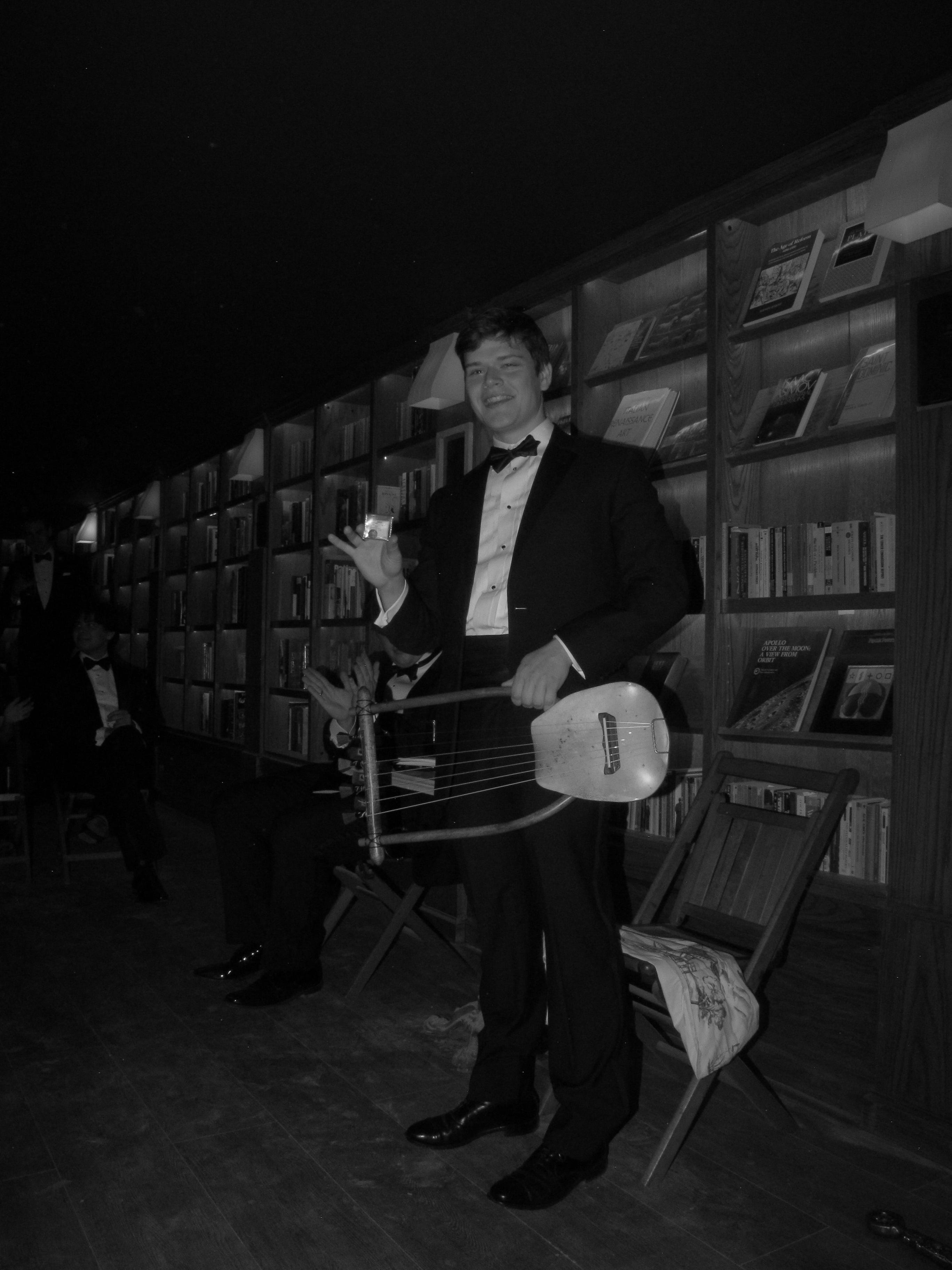
But this insertion of ‘convinced by singers’ is not in the manuscript, which reads:
ὀρθῶς οὖν καὶ ὁ γενναῖος Ἡράκλειτος ἀποσκορακίζει τὸ πλῆθος ὡς ἄνουν καὶ ἀλόγιστον. “τίς,” γὰρ, “αὐτῶν,” φησί, “νόος ἢ φρήν; δήμων αἰδοῦς ἡπιόων τε καὶ διδασκάλῳ χρείωνται ὁμίλῳ οὐκ εἰδότες ὅτι οἱ πολλοὶ κακοί, ὀλίγοι δὲ ἀγαθοί.”
(Proclus, In Alc. 117; Cousin 1864, 525).
Rightly therefore indeed does the noble Heraclitus castigate the many as having no mind and being illogical. As he says, “Who of them has mind or spirit? They make use of the shame and reverence of the gentle Demes and the mass of people as a teacher, not knowing that the many are bad, and that the few are good.”
Editors have proposed several different renditions of the text, and the first text with the most substantial emendation is our printed one today. It takes away “gentle,” and “shame,” ἡπιόων and αἰδοῦς respectively, and adds in “singers” and “they are convinced,” ἀοιδοῖσι and πείθονται, respectively; it takes away the τε καὶ linking phrase that removes the necessity for the new verb πείθονται. It reorients the fragment into the mindset of modern orthographers about what Heraclitus believed, which was that the contemporary poets could not be good teachers, and, by extension, that only the divinely inspired individuals could be useful by poetic art to influence philosophers and statesmen (as Heraclitus notes in his fragment on the teaching of Pythagoras by Hesiod, and Xenophanes and the historian Hecataeus following (DK 22 B 40)). But the arguments on behalf of editing this ‘hopeless’ text (Cousin, 1864, n. ad loc.) and the necessity of lambasting the voice of the people, the Epic singers of the 5th century, represent an iconoclasm of belief in the virtue of ethereality and the escaping constellations of genuine philosophy among the Greeks. Performing Homer is crucial to every part of this denouement.
A textual argument contra Diels and other editors could certainly can be entertained in the small, supplementary ‘comment’ style section of a journal, but as responsible musicians, the Rex tremendae majestatis of what exactly happened to make Heraclitus so angry at the many must be discussed on the floor of eternity.
Laws and musical forms were very still closely intertwined in Heraclitus’ time. The case for institutional declamation comes from a real, visible need in the Greek world: stones set up in the ground. And with these stones set up come the need for something to be written in them, which as certain articles from the proceedings of a conference in Italy in 1996 discuss, are very in tune with the formal aspect of Greek as both a quantitative and qualitative language (Wachter 1997, 365-382). There is great necessity to make a law work for both sides of a contract, and the ability to hear the words before they were inscribed on the stone must have been a salient reason for why the words are often spaced they are, apportioning accent and groups of words alike, with high attention paid to the emphasis that this distribution would color the reception of the generated law.
In the early 5th century B.C., 1000 years before Proclus quoted Heraclitus, consignment of music to the tragedy of the Oresteia’s law court was just beginning, and the notions of believers were being modified to fit the call of the many, which needed to be convinced to acquit. The musical translational aspect of sophistry was therefore not just Damon and others’ profession, but their entire lodestone for their sustenance and patriotism. Without the educational power of the Epic and the conferred benefits in reviving one’s hopes of securing an inheritance or going to war against the right Greek islands at the right time, the merit of music belonged rather in a different, more aortal world that dispatches with the semblance of good and bad and instead dealt directly with the convention of practical wisdom that even the gentle, lowly people of the newly established democracy could have known. But this universality implied an idealism that Heraclitus, it seems, could not accept.
The shame of the democracy is a bit like the shame of the singer when they perform for friends. In my time as a musician, I have noticed that no matter the audience size, the indescribable panic of giving someone a rendition of a piece that one has practiced for hours, weeks, even years, can be fraught with the fundamental question of care. Does one care enough about this work to give it as a gift to the listener? For all the time we spend together in practical function, such as dining, laughing, or otherwise symposiastically conjoining, the excruciation of taking two minutes to give someone a work of art is somehow the highest cost that one can pay for their own shame. Despite this, however, the conveyance of art is paramount to the humanistic whole of the individual.
To respect this shame is then the private accolade of the elite philosopher, and something by which the masses elevate themselves to the level of the ὀλίγοι ἀγαθοὶ when they enunciate it. Heraclitus may be correct that they are not ready to undertake this auspicious act of love. But the great leap of philosophers like Plato is held in the righteous, predestined journey of the lover to give to another, and to serve them with a gesture of God even without confidence that they are so divinely inspired. So far from the cultivation of a mere societal harangue, this fragment of Heraclitus touches on the sanctity of the many and the aspect of cumulative generation which we have discussed before in these writings: that the economic forces of a house filled with singers trying to create the best songs, the darkness of the writings on the wall glimmering in the firelight of young virtuosic humanity yearning for moral completion, a tomorrow of better Homer than today and the wiles of survival that the best lines and recreations of myth must survive in order to be cast as Gold Forever, this musical architecture and alleviation from the pains of the quotidian beget a mercy that may have been misplaced in Heraclitus’ time. And we all know that sometimes exclusion is good, because we have secrets.
Then the best and most revealing accomplishment of the universal, even popular epic is that it has no secrets and is absolved from the incrimination that Heraclitus gives. It may be that the singers were consumed with the illnesses of their age. But the Homeric basis for Epic and cultural exigencies inherent in transmission among the living are, if anything, the very shame and genuine love which the ὀλίγοι ἀγαθοὶ sought to save for themselves, in miniaturized rehearsals of Alcman’s catching little songs in the morning and transforming them into flights of forever through the lyric of truely lovely orthography, which is the unfailing, impossible, and implacable poet’s hope. As Heraclitus affirms, “Dogs bark at all those they do not know,” κύνες γὰρ καταβαύζουσιν ὧν ἂν μὴ γινώσκωσι (DK 22 B 97). ὀρθῶς, λέγει, καὶ τὰ ἡμῖν ταῦτα ἔπεα κοινά.